



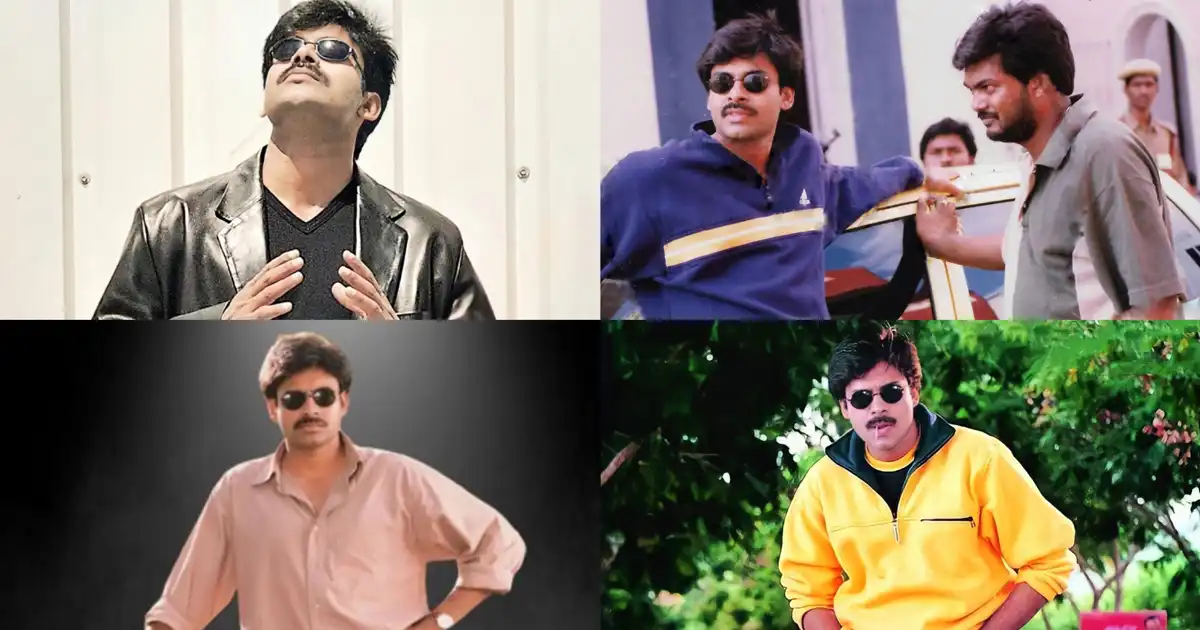
It has been 26 years since Badri hit the screens, and calling it just a hit film would not do justice. It stands as one of the most daring and risky projects in Pawan Kalyan’s career. At a time when he was building strong momentum, he chose to trust a newcomer, Puri Jagannadh, and gave him the opportunity to direct. That decision did not just pay off. It went on to influence Telugu cinema in many ways.
From the very beginning, Badri broke conventions. The film opens with a song, “I Am an Indian,” that arrives without any narrative setup, which was unusual for its time. The track blends Telugu, Hindi, and English lyrics, something rarely attempted back then. Today, Gen Z audiences might see this as normal or even stylish, but 26 years ago, it felt completely new.
Another striking choice appears in the opening credits. The names of the female leads, Renu Desai and Ameesha Patel, appear before Pawan Kalyan’s name. In a star driven industry, this was a bold move. It quietly indicated that the film was not just about the hero, but about relationships and emotional conflict.
One of the most talked about rumours surrounding Badri is about its climax. The buzz is that Puri Jagannadh shot a different ending where Badri realises his mistakes, understands how he hurt two people in the name of love, and chooses to walk away alone into darkness.
It might sound surprising, but the talk is that Pawan Kalyan liked this version. However, things reportedly changed later. There is a strong industry belief that a test screening or internal preview led to a rethink. Close associates felt that such a bleak ending might not connect with audiences, who expected emotional closure. That is how the current climax took shape.
If that version had been retained, Badri might have delivered one of the boldest climaxes Telugu cinema had seen, possibly far ahead of its time.
The film also faced a unique phase after release. Initial talk was poor, as audiences were exposed to a new style of music, action, and attitude. Some even labelled it a flop early on. Gradually, word of mouth began to build. The same elements that felt unusual started connecting, especially with the youth, turning the film into a success.
For those who watched Badri in theatres back then, it was more than just a film. It felt like a shift. The attitude, dialogue delivery, and body language stood out instantly. It was also where many of us first noticed the now iconic neck rubbing mannerism of Pawan Kalyan, which later became a trend.
What makes it more interesting is how the film connects today. Gen Z audiences who watch Badri often find it relatable. The ego clashes, flawed love, and attitude driven behaviour still feel current.
Badri is not just another film in Pawan Kalyan’s journey. It carries a raw and unapologetic energy that became part of his image. Even today, the film feels fresh in its making, music, and style. Very few of his films carry that same intensity.
Twenty six years later, Badri stands as proof that when a star backs a bold idea and a new voice, something lasting can be created. It was not just a success. It was a moment that still lives with us.