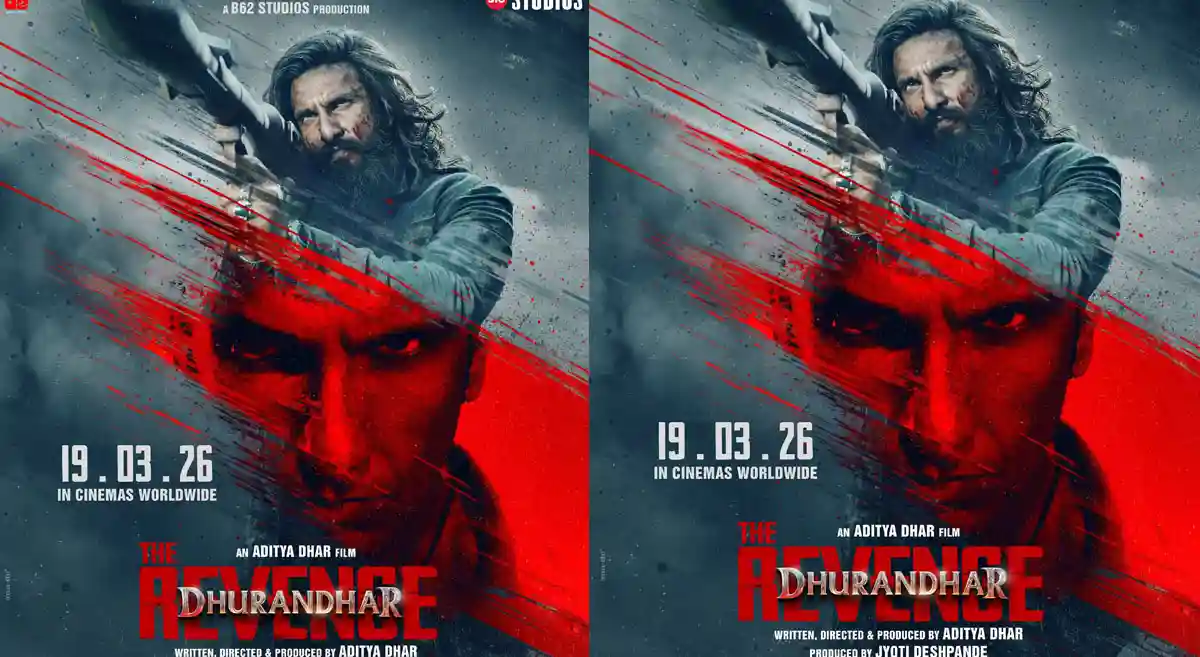
Ranveer Singh’s upcoming action thriller, Dhurandhar 2, is creating a lot of buzz right now. Advance bookings are already looking strong across the country. Fans are lining up to buy tickets, even though the movie is nearly four hours long and premium seats cost as much as ₹2500 in big cities.
When a movie is this long, it changes how theaters operate. For single-screen theaters, it isn’t a huge problem. They usually play four shows a day, and owners can just start the morning show a bit earlier to fit everything in.
But for multiplexes, it is a different story. A normal two-and-a-half-hour movie can easily get five or six shows per screen. With a four-hour movie, plus the interval and cleaning time, one single show takes almost four and a half hours. Because of this, multiplexes have to cut down the number of daily shows, which naturally limits how much money the movie can make in a single day.
Why is the movie so long?
Director Aditya Dhar has a clear reason for this runtime. The sequel has a massive cast, including big names like Sanjay Dutt, Madhavan, and Arjun Rampal. The director wanted enough time to give every character a proper backstory and show the heavy action scenes without rushing them. The makers are treating Dhurandhar 2 as a grand theatrical experience rather than just another weekend release.
Right now, the advance bookings are excellent because expectations are so high. If the early morning shows get good reviews and the audience connects with the story, the long runtime and high ticket prices won’t be a problem. Recent hits like Animal and Pushpa have already proven that people are happy to sit through long movies if the story is worth it.
However, there is a big risk. If the movie gets average or negative feedback from the first few shows, the situation could change quickly. At that point, the high price and the four-hour length will become major downsides. If the word-of-mouth is not effective, these two factors could really hurt the box office run of Dhurandhar 2. Everything now depends on how the audience reacts to those very first shows.